



More than a year after Lewis County passed a local ordinance restricting needle exchanges and other harm reduction services, Gather Church in Centralia has followed up on promises of legal action.
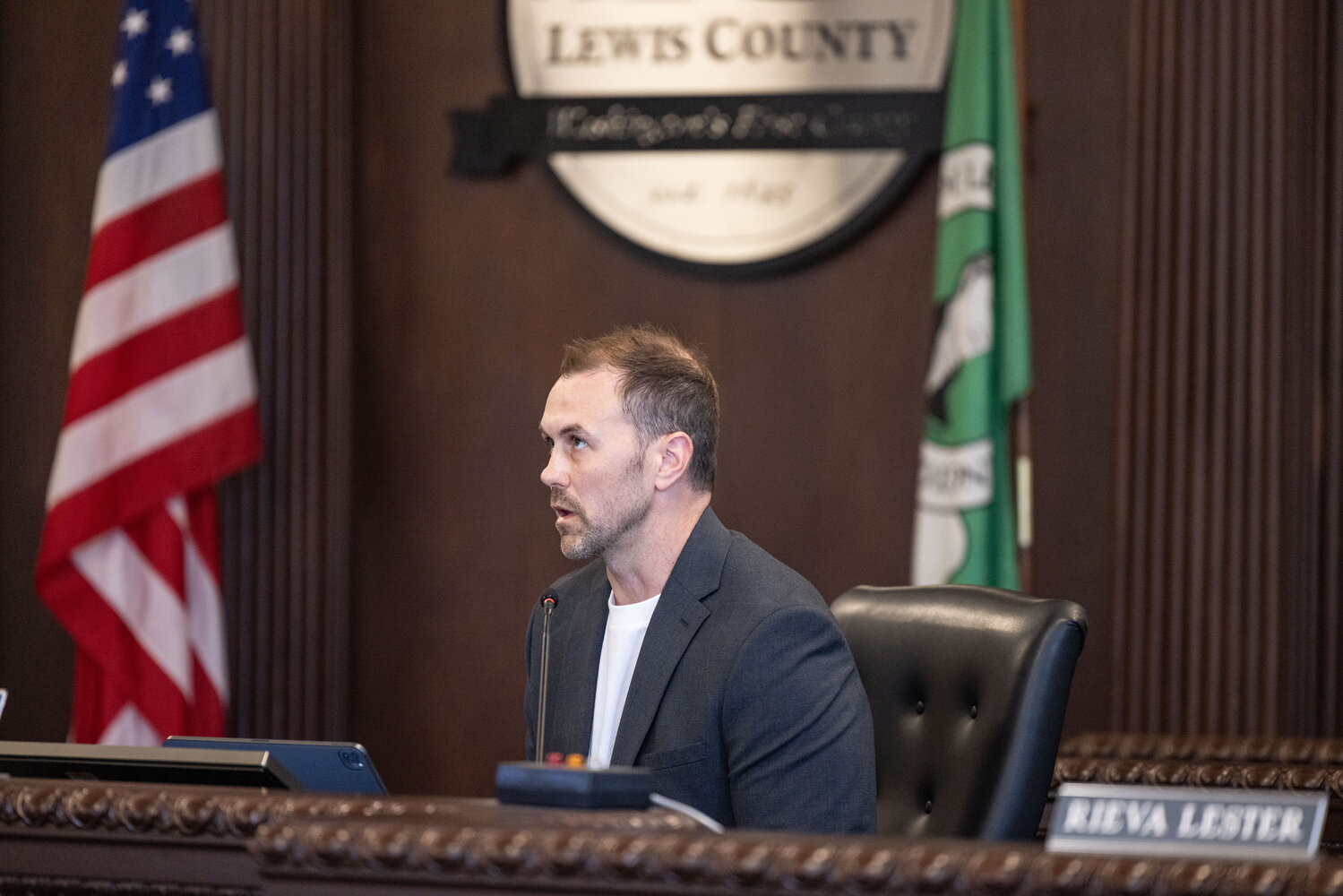
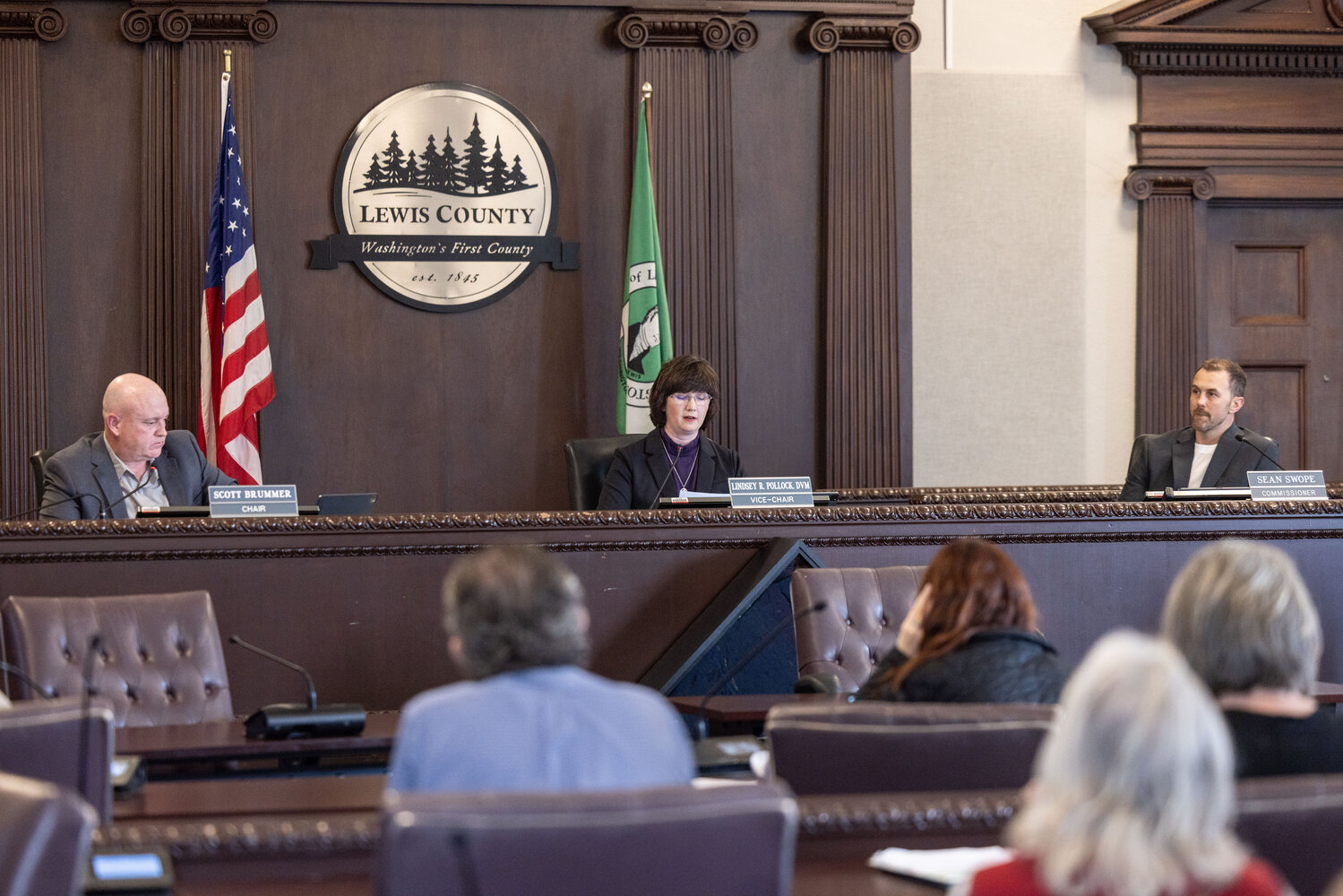
On Monday, multiple branches of the American Civil Liberties Union (ACLU) and the law firm Kaplan and Grady announced they had filed a lawsuit against Lewis County in Washington's Western District Federal Court on behalf of Gather Church. The lawsuit was filed specifically against the three Lewis County Commissioners — Scott Brummer, Lindsey Pollock and Sean Swope — as well as Lewis County Sheriff Rob Snaza and Lewis County Public Health and Social Services Director Meja Handlen in their official roles.
The suit challenges Lewis County Ordinance 1354, which was enacted by the Lewis County Board of Commissioners in April 2024. Brummer and Swope voted in support of the ordinance while Pollock voted against it. Pollock at the time offered a different, less restrictive version, citing public health concerns and arguing that the ordinance would do little to reduce the use of fentanyl, which is often smoked and not injected.
That ordinance specifically bans syringe service programs from operating in a mobile capacity and from operating within 750 feet of a school, park or library or in any residential areas. It also added stipulations that require a one-to-one exchange of dirty needles for clean needles and prevents groups from handing out other harm reduction supplies, such as drug testing kits for detecting fentanyl or xylazine. Violators could face civil and criminal charges.
“Syringe service program” is a term used in Washington state to describe a type of harm reduction practice more commonly known as a needle exchange. These programs offer clean injection needles, often in exchange for used ones. According to Gather Church, they also serve as a place to hand out other harm reduction supplies and connect people with other services.
After filing the lawsuit, Gather Church and its legal representation released a statement on the legal challenge. In the statement, the groups claimed that the local ordinance has seriously limited the church's ability to operate its syringe service program and reach its patients.
“Gather Church, a ministry in Lewis County, Washington, today filed a lawsuit challenging a county ordinance that makes it nearly impossible for the church to fulfill a core part of its religious mission: providing harm reduction services for residents with substance use disorder,” reads the statement.
Harm reduction refers to practices that reduce the negative impacts of drug use, such as the spread of blood borne illness like HIV and Hepatitis, vein damage and risk of overdose.
According to the lawsuit filed Monday, Gather Church is seeking “declaratory and injunctive relief.” That means the church is not seeking any kind of financial compensation. Rather, the local church is asking that the court first make an official ruling on the legal issues in the case and secondly order the county to adapt or repeal the ordinance that is being challenged.
In the legal complaint, the groups allege that Ordinance 1354 violates federal and state laws. Those include the Americans with Disabilities Act (ADA), the Rehabilitation Act, state anti-discrimination laws, state protections for religious liberty, and state laws that allow and encourage harm reduction.
The statement issued by Gather Church and its legal representation claims that the local ordinance specifically targets Gather Church, restricts its religious freedoms and discriminates against people with substance use disorder or conditions that might limit mobility including physical disabilities and mental illness.
“Syringe services programs and other harm reduction services have saved countless lives and are key tools to help stem the opioid epidemic in Washington state and across the country,” ACLU Disability Rights Program senior staff attorney Malhar Shah said. “This ordinance in Lewis County not only prevents Gather Church from fulfilling its religious duty to the community, but it also denies people with substance use disorder and other disabilities access to this important public health program — in violation of federal disability laws.”
The lawsuit paid special attention to the restriction of the church's use of a mobile program, which it says has been essential in expanding its services and reaching more individuals in need.
“Connection is essential for health,” Gather Church Pastor Cole Meckle said. “Our syringe services program allows us to make connections with people who are poor, hungry, addicted, lonely and unhoused. The program is motivated by our faith, but also by the brain science of addiction. We know what works, and our program is incredibly effective.”
The lawsuit cites not only a major reduction in patients using its syringe service program since the implementation of the local ordinance, but also a reduction in people accessing the other services it offers meant to help individuals overcome addiction. According to the lawsuit, patients referred to Gather’s medication for addiction treatment program from its syringe service program have dropped from six per month to just two.
The recent filing comes as a final follow through by Gather Church and its legal representation. A letter, sent by the ACLU and others last month, warned Lewis County officials that the groups would file a legal challenge if Ordinance 1354 was not adapted or repealed. The same groups have warned of legal action connected to the ordinance since before it was passed according to previous reporting by The Chronicle.
In the past Brummer and Swope, the two commissioners who supported the ordinance, have signaled they expected the ordinance to face legal challenges. However, the two have also said that they expect the local policy to stand up to scrutiny.
Lewis County Commissioners declined to comment on the issue when asked about the recent development during a Tuesday Board of Commissioners business meeting, citing the pending litigation.
In a Facebook post last month, Swope defended the ordinance, describing it as the “Syringe Accountability Ordinance” and referring to the restrictions imposed as a way to provide accountability to the needle exchange.
“They don’t want accountability,” Swope wrote. “They want to hand out endless needles so people can keep using — but let’s be honest: that’s not compassion, that’s a death sentence.”



