More than 50 wildfires sparked in the Pacific Northwest this weekend, including the Colwash fire, which prompted evacuations and burned over 60 square miles near Sunnyside, according to the Northwest Coordination Center.
Thunderstorms worked their way across Washington and Oregon on Saturday. There were 692 lightning strikes reported in Washington and 176 in Oregon in the 24-hour period beginning 8 a.m. Saturday. The lightning definitely had an impact, said Jodie Schiffman, a spokesperson with the coordination center.
The weekend brought a “one-two punch” of lightning followed by gusty winds in the Pacific Northwest that could fan new starts and cause rapid spread of existing fires, said Jon Bonk, a meteorologist with the coordination center. Where there wasn’t lightning, conditions were ripe for fire growth. About 85% of wildfires in Washington are started by humans.
As of Sunday, at least 58 new fires in Washington and Oregon had been reported. Many of them were only a handful of acres, which speaks to the region’s preparedness and fire personnel being in the right place at the right time to catch those starts, Schiffman said. The Colwash fire represented the largest and the majority of the land burned.
More than 3.2 million acres, or more than 5,000 square miles, have burned across Washington and Oregon this year, according to the coordination center. Of about 3,000 fire starts in both states, more than half have been started by humans and nearly a third were considered naturally caused, while the cause of the remainder was unknown. Firefighting costs have surged to over $200 million in the state, according to the Washington State Standard.
The 1,200 square miles burned in the state this year rivals the worst fire season on record, when over 1,600 square miles, or over 1 million acres, burned in 2015.
“I think we’re probably staring down the second-worst season,” said Thomas Kyle-Milward, a spokesperson for the state Department of Natural Resources. “It just hasn’t finished happening yet.”
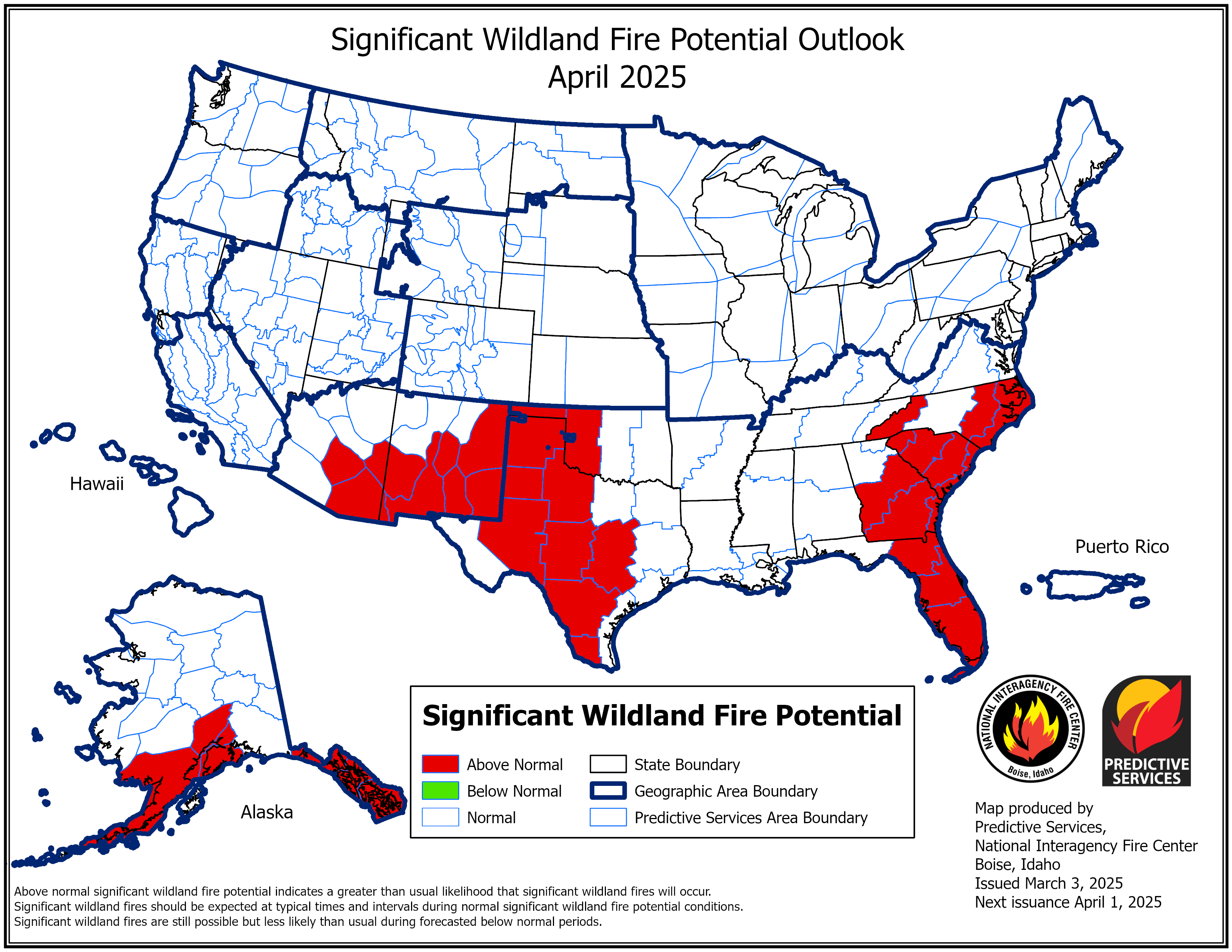
The National Interagency Fire Center outlook forecasts above-normal wildfire risk through September.
The Colwash fire was reportedly started by lightning on the Yakama Reservation on Saturday morning. It was burning through grasses and sagebrush in the southeast corner of Yakima County, from near the Klickitat County line and into Benton County, according to the Southeast Washington Incident Management Team. A request to mobilize firefighters and equipment from across the state to fight the blaze was approved Saturday evening.
The incident management team took over the fire overnight Saturday as local fire crews worked to build containment lines around the fire. More information was expected about the fire’s growth and potential damage to homes and other structures late Sunday, said Jodi Walker, a spokesperson with the incident management team. Evacuation orders remained in place in Yakima and Benton counties, and a Red Cross shelter will be available at Prosser High School.
The new starts come amid a parched year. Washington state declared an unprecedented fourth consecutive drought emergency in Washington, marking a new low for the state’s water supply. Dry grasses, brush and other vegetation have been ripe to burn.
The National Weather Service had forecast critical fire weather in much of central and eastern Oregon and Washington, as well as the western slopes of the Cascades.
The British Columbia Wildfire Service, meanwhile, recorded at least 7,000 lightning strikes in a 24-hour period this weekend.
Lightning strikes continued into Sunday in Canada, but because the wildfire service counts them from midnight to midnight, it wasn’t clear as of Sunday evening how many strikes hit through the weekend.
Eighty-four new wildfires have been detected in the southern part of the province over the past three days. Because of precipitation and the wildfire services’ planning, 60% of those fires have since been labeled as out, being held or under control. However, lightning-caused fires can smolder undetected as “holdover fires” until winds fan them, creating more visible smoke. Wildfire smoke ignores international borders: Canadian smoke often causes air quality to deteriorate in the Pacific Northwest.
Swaths of Washington have been under red flag warnings for much of this month. Fire activity, acreage burned and the demand for incident management resources in the Northwest all reached exceptional, record-breaking levels by mid-August. Hundreds of homes have been lost, many of them destroyed in a trio of fast-moving wildfires in Spokane.
Hotter, drier weather is expected over the next couple of days, followed by breezier conditions, a common pattern in the latter half of the Northwest’s fire season, Bonk said. The region often sees the fire season peak in August and wind down in September. There’s a chance El Niño could delay fall rains and prolong the season, Bonk said.
Residents should pay attention to their local forecasts, Bonk said, and heed evacuation orders.